Ensisheim
One of the successors of Rudolf I was Duke Leopold IV of Austria, who frequently stayed in Ensisheim from 1393 onward and celebrated Christmas there in 1400 and 1401. His wife, Catherine of Burgundy, also issued charters in Ensisheim and used the town as one of her widow’s residences after 1411. In 1431, Ensisheim became the seat of administration for the Habsburg Further Austrian territories in Alsace, Breisgau, Aargau, and the Lake Constance region.

Sightseeing
Ensisheim
-
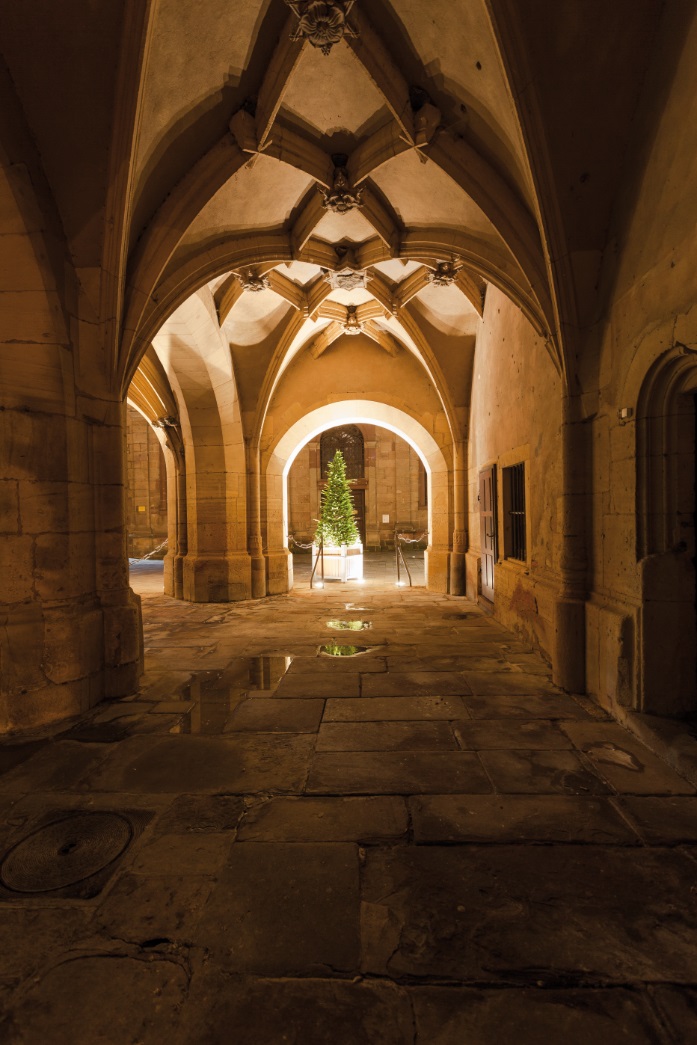
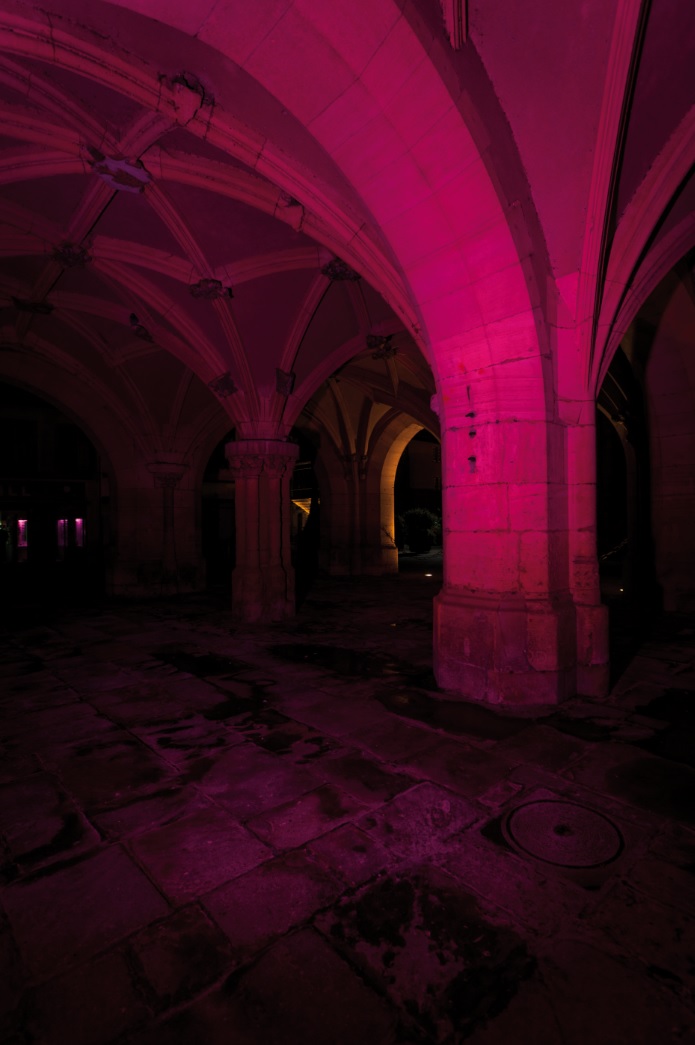
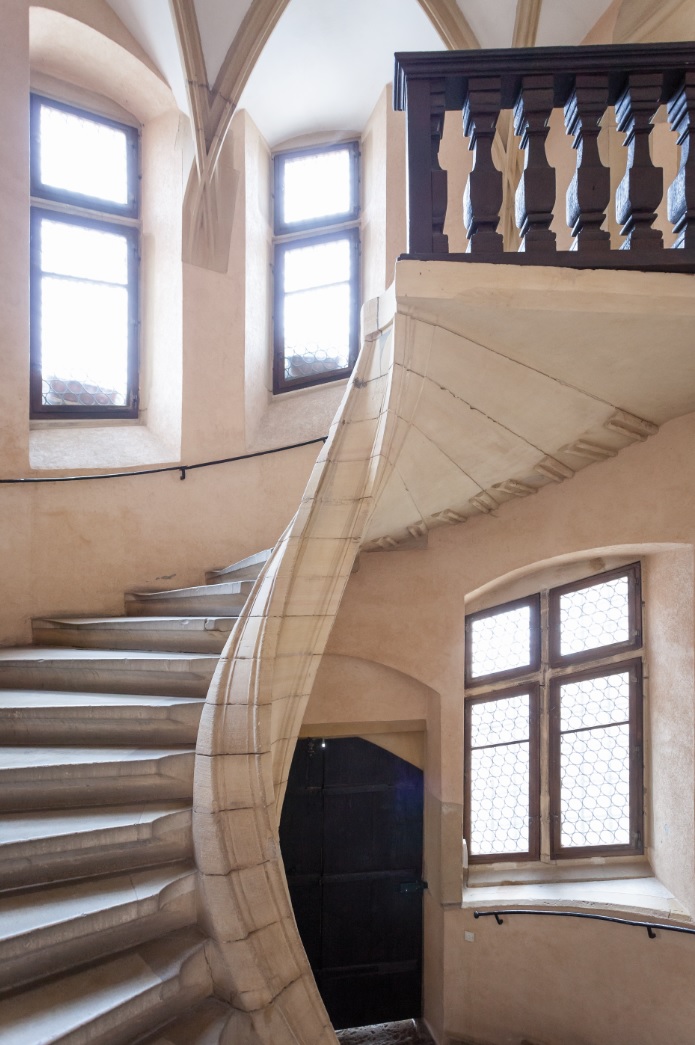
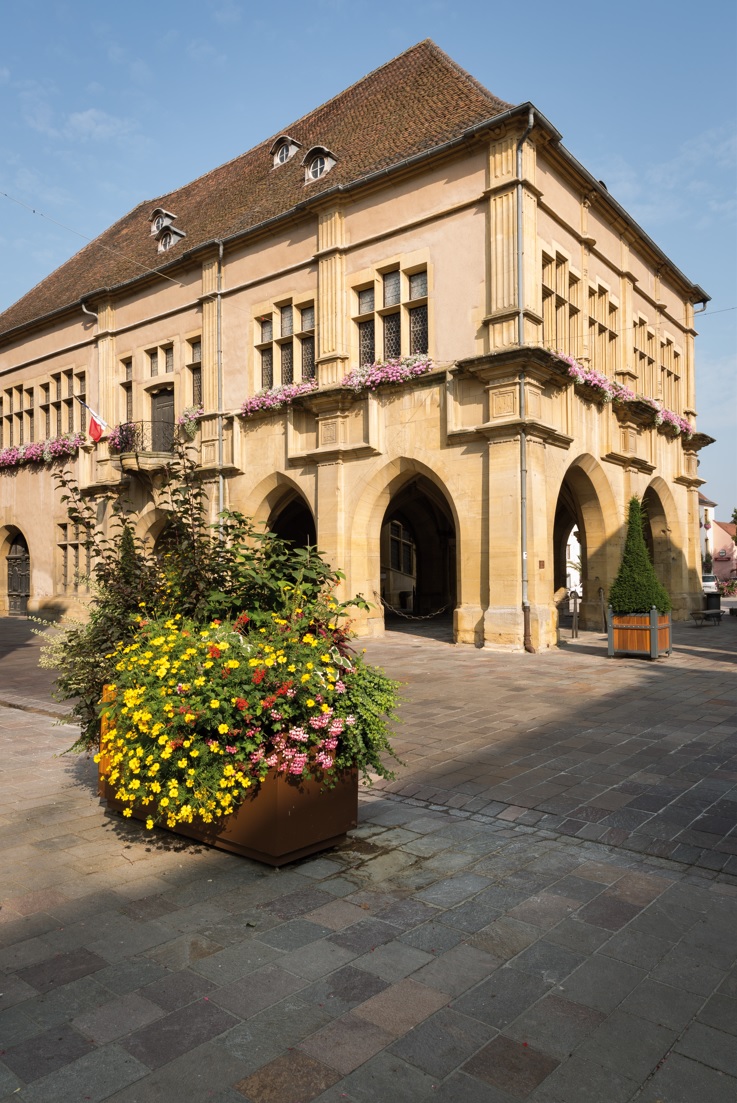
Palace of the Regency ( Palais de la Régence )
(spiral staircase; ceiling of the council chamber) -
Regency Museum ( Musée de la Régence ):
miners’ museum and an archaeological section
Information
Ensisheim
First documented from the 11th century onward, the town became the capital of the Habsburg territories in Alsace, the Breisgau, and the Black Forest between 1363 and 1411. From 1523 to 1648, Ensisheim was the seat of the administration and treasury of Further Austria, which were subordinate to the central government in Innsbruck.
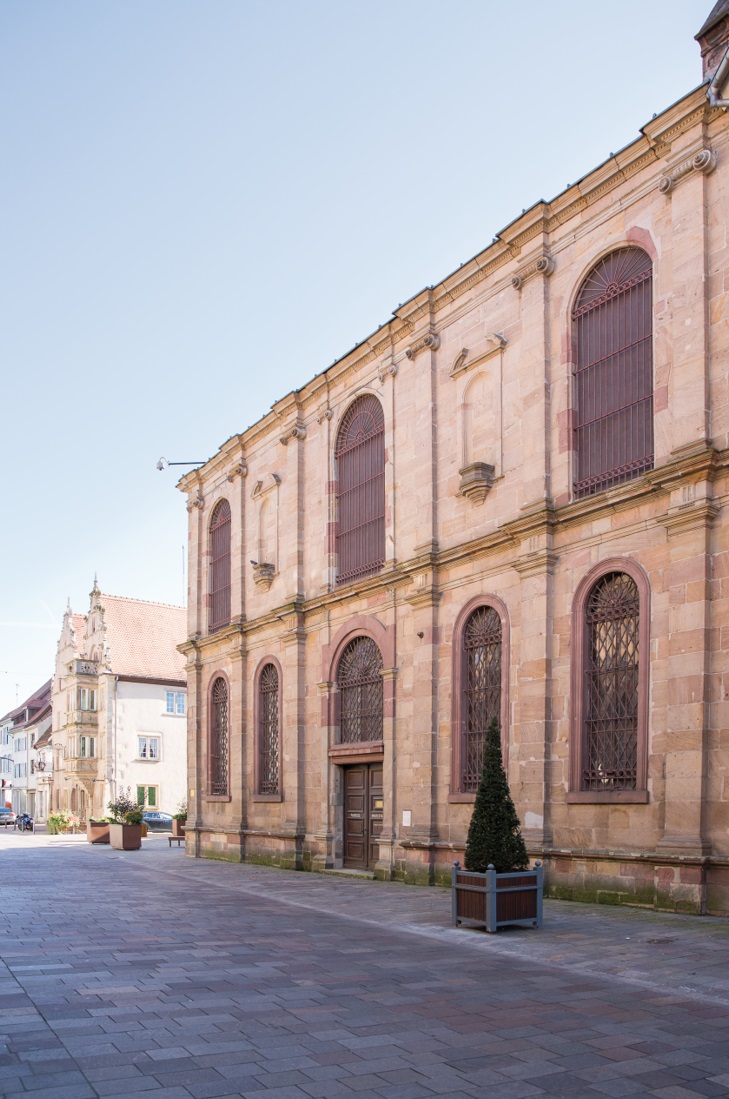
The beautiful Hôtel de la Régence, built between 1535 and 1544, housed these institutions. The two‑storey building features a vaulted hall with arcades in the west wing and a large Renaissance hall. Today, it partly functions as a museum and invites visitors to discover the extraordinary meteorite, whose impact dates to 1492 and which was later immortalized in literature by Jules Verne.
Opposite stands the double house “À la Couronne”, with two volute gables and a two‑storey bay window. Nothing has survived of the former castle, in which the Habsburgs occasionally stayed, or of the mint where coins bearing their likeness were struck between 1584 and 1632.
Ungersheim
Écomusée: An open‑air museum featuring around sixty Alsatian houses dating from the 12th to the 19th centuries, with numerous craft workshops and live demonstrations.