Breisach
After the death of the last Staufer king, Conrad IV, in 1254, supreme authority reverted during the subsequent Interregnum to the Prince-Bishopric of Basel, led by Bishop Heinrich of Neuenburg. In the years that followed, Rudolf of Habsburg succeeded in regaining all former Hohenstaufen possessions along the Upper Rhine. In 1273, the king granted Breisach the status of a Free Imperial City.
Sightseeing
Breisach
- Rich art treasures in St. Stephen’s Minster
- Museum of City History in the Baroque Rhine Gate
Endingen
- Baden Winegrowers’ Cellar and sparkling wine cellars
- Vorderösterreich Museum in the late Gothic Üsenbergerhof , with excellent documentation of the history of Further Austria in the Breisgau and Alsace
Burkheim
- Baroque city gate
- Renaissance town hall and historic burgher houses
- Parish Church of St. Pankratius
Information
Breisach
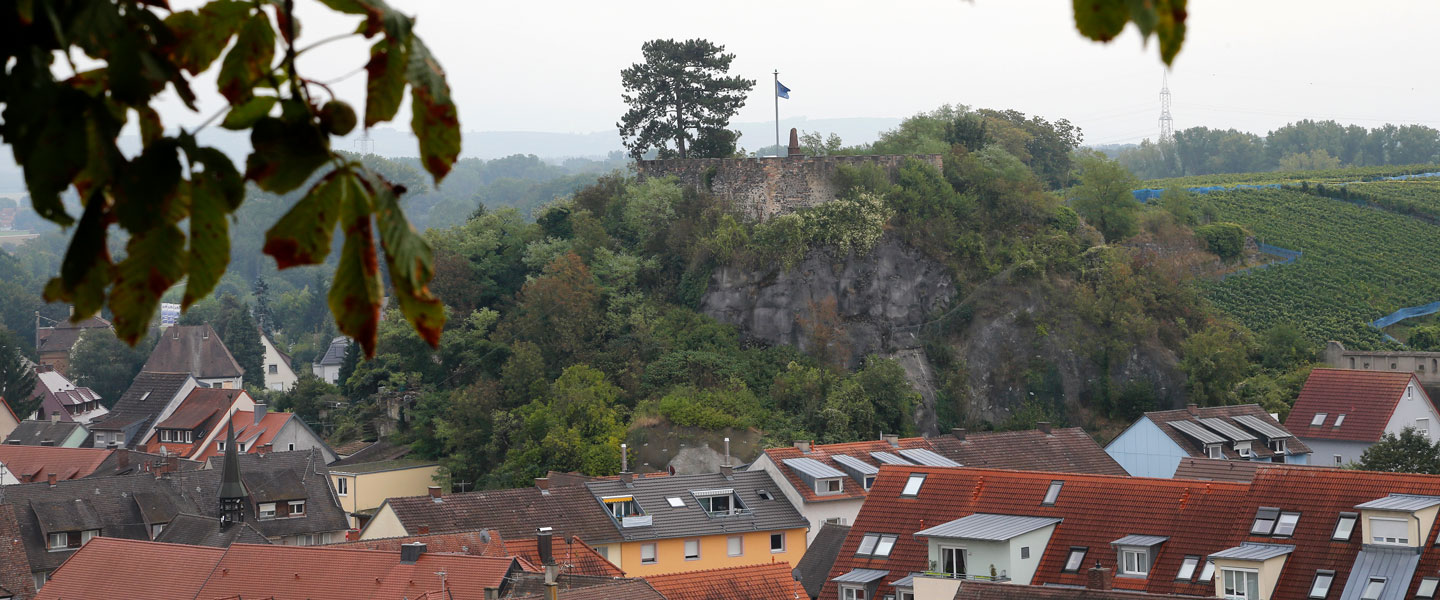
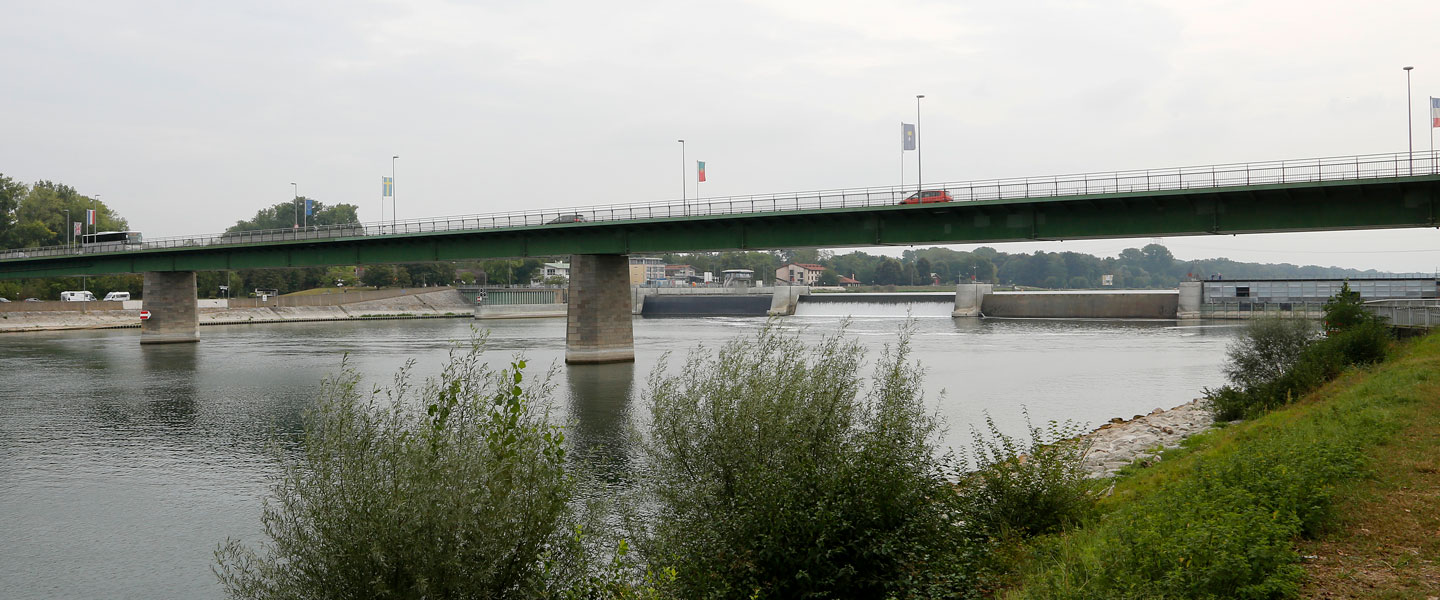
The castle hill, settled since the early 11th century, came under Habsburg rule in 1331. Owing to the importance of the Rhine crossing, Breisach was a constant bone of contention between the Habsburgs and France. Impressive fortifications dating from the Middle Ages and the 17th century remain today.
Endingen
The townscape is characteristically shaped by Further Austrian influence; Endingen was under Habsburg rule from 1379 to 1805. Notable landmarks include the Schaffhausen Gate and the Old Town Hall (with valuable heraldic stained-glass windows) from the 16th century, the Palais Krebs and the Granary (Kornhaus) from the 17th century, the Parish Church of St. Martin, and the Baroque St. Peter’s Church with its Gothic tower.
Burkheim
A historic customs and ferry town that came under Habsburg rule in 1330. The most famous pledge holder of the castle above the town was the imperial field marshal Lazarus von Schwendi, who held it from 1560 onward.