Basel
The city’s history begins around 80 BC with the construction of a fortified Celtic settlement on what is now Münster Hill. The name Basilea is first mentioned in written sources in 374 AD.
Sightseeing
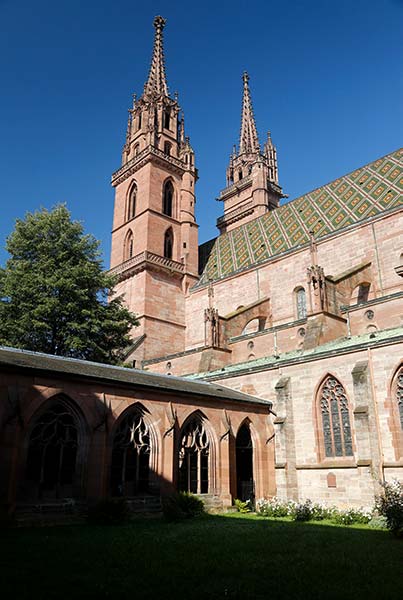
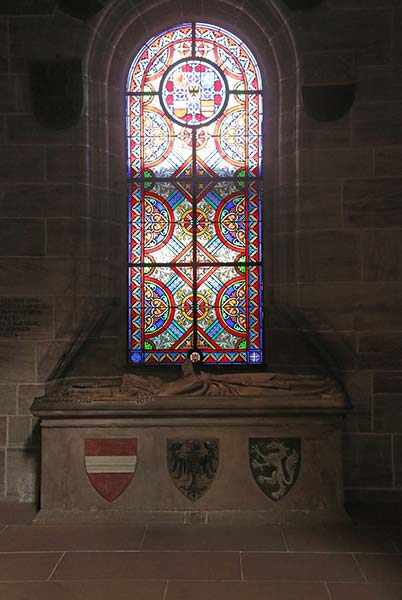
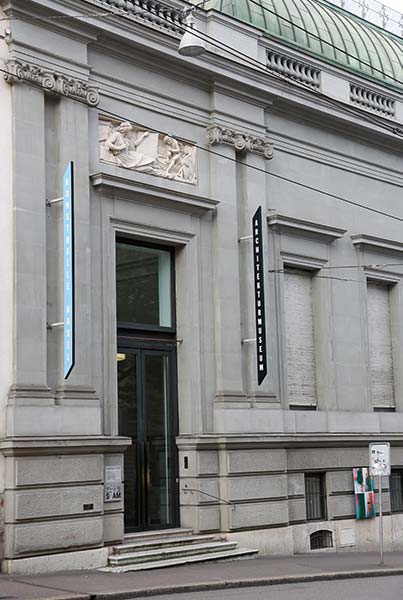
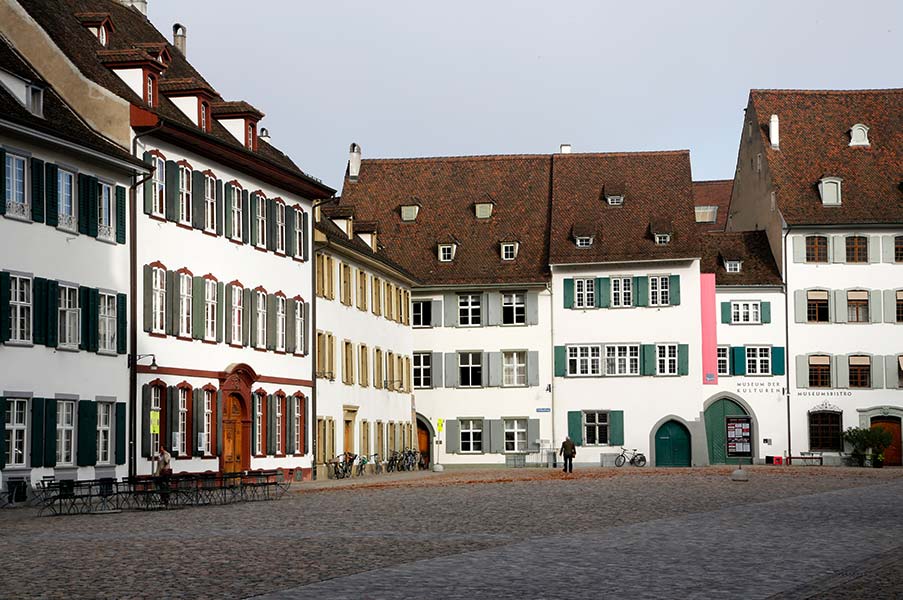
- Minster Square with the Minster (façade with St. George and St. Martin); behind it the Pfalz (viewpoint)
- Market Square
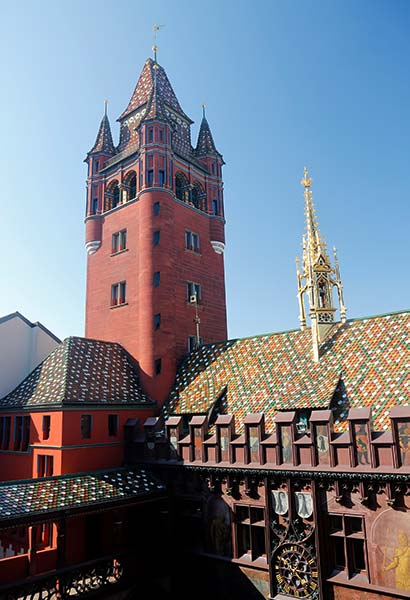
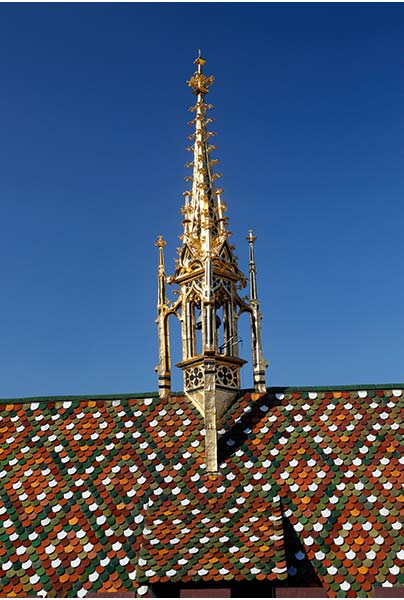
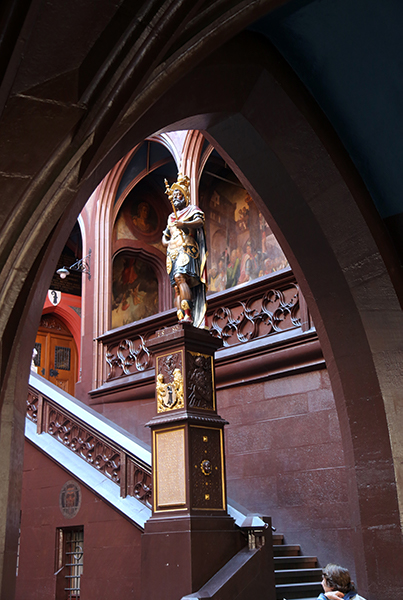
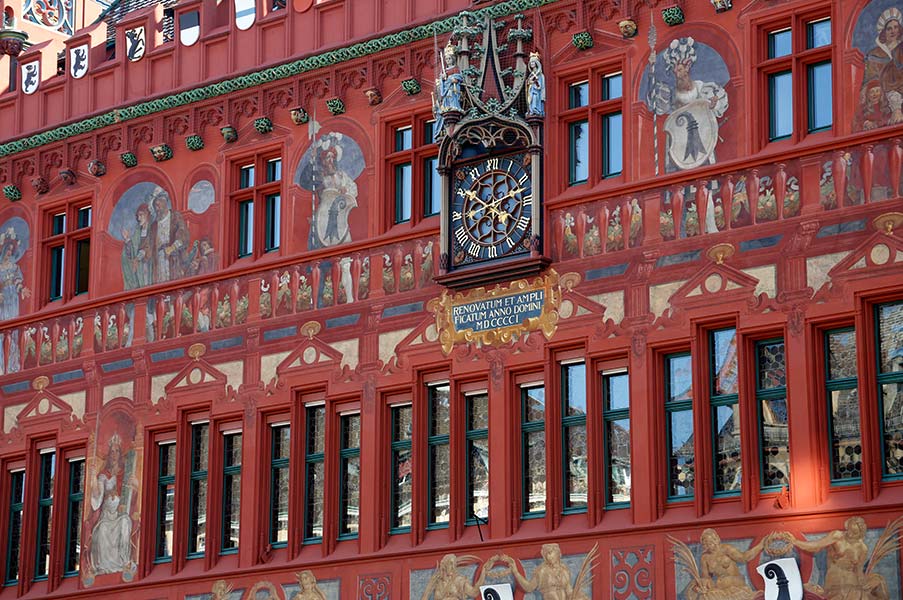
- Town Hall with the coats of arms of the alliance partners of 1501
- Barfüsserkirche (Historical Museum Basel)
- St. Leonhard’s Church (the most important hall church on the Upper Rhine)
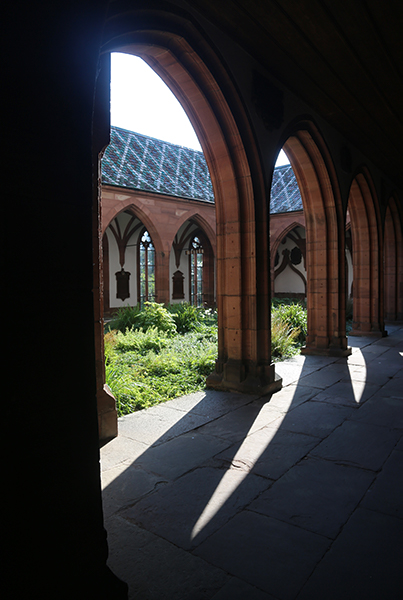
- St. Alban Valley , with the Romanesque cloister
- St. Alban Gate
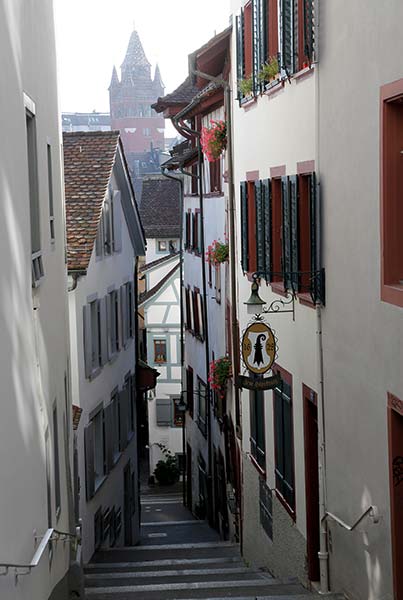
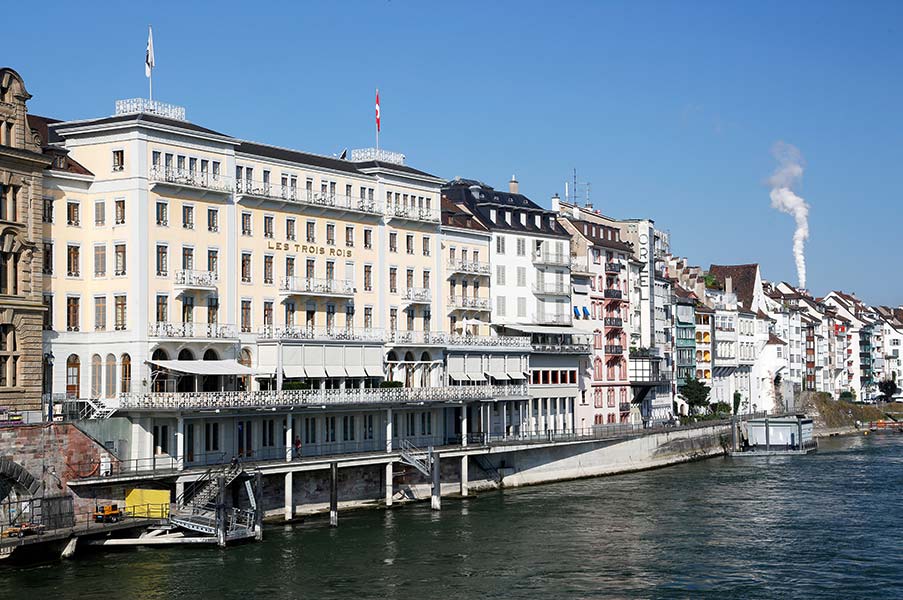
- Exceptionally well‑preserved Old Town with guild houses, craftsmen’s houses, and bourgeois residences
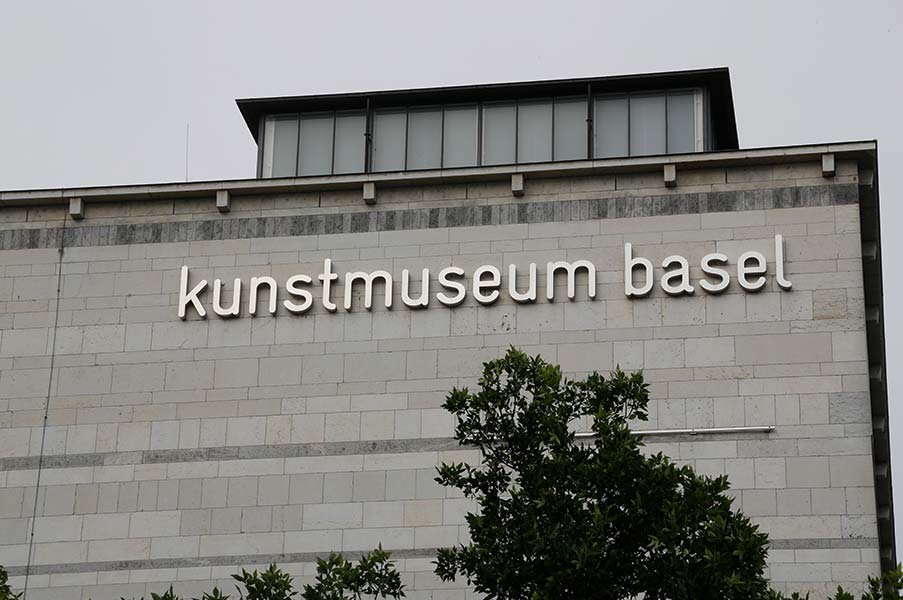
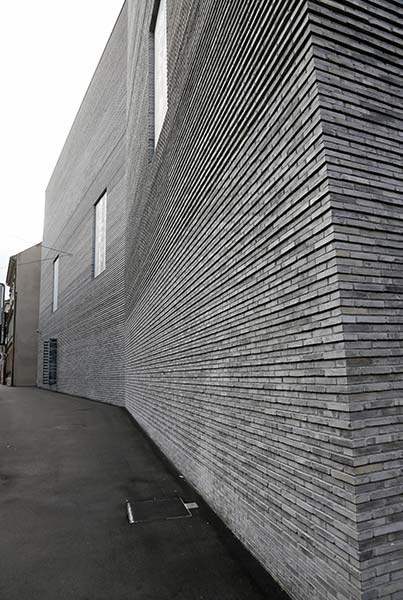
- Kunstmuseum (Art Museum)
Information
Basel. The city’s history begins around 80 BC with the construction of a fortified Celtic settlement on what is now the Minster Hill ( Münsterhügel ). The name Basilea is first mentioned in written sources in 374.
In the 8th century, Basel became a bishopric. The prince-bishops were both the spiritual and secular rulers of the city. The Habsburgs repeatedly attempted—unsuccessfully—to make Basel their residence city.
Flourishing paper production, together with the University of Basel, made the city attractive to printers. As a result, a circle of renowned scholars emerged who had their works printed in Basel. Among them were Erasmus of Rotterdam, Sebastian Brant, and Paracelsus.
Today, the city is a center of the life sciences as well as the chemical and pharmaceutical industries. Major trade fairs such as the watch and jewelry fair Baselworld and the world’s leading art fair, Art Basel, have made Basel known worldwide.